
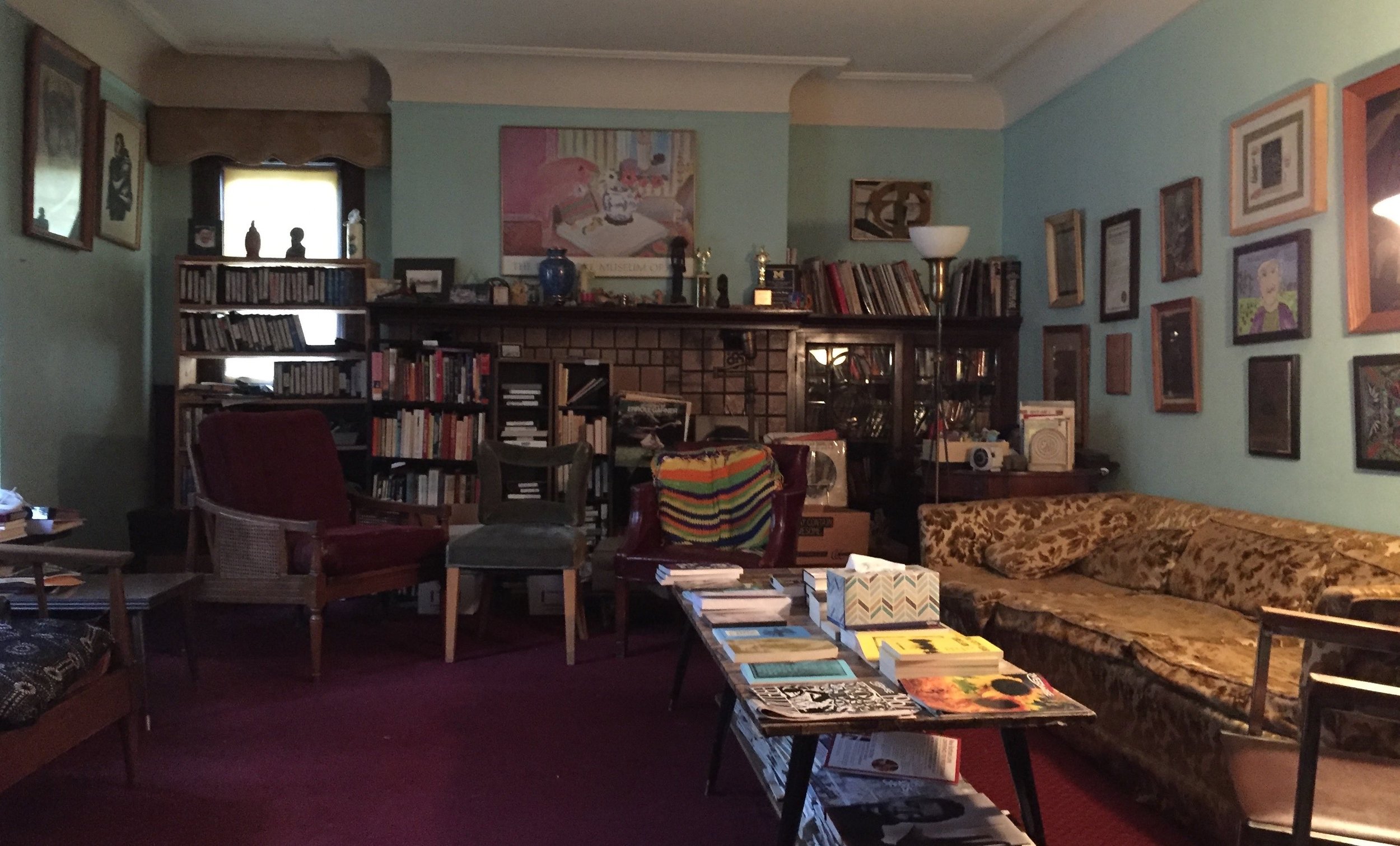
Living for Change is a weekly newsletter that provides the perspective and activities of the Boggs Center and related organizations. Thinking for Ourselves is a weekly column exploring issues in Detroit and around the Country. The column was originally published in the Michigan Citizen.
New weapons
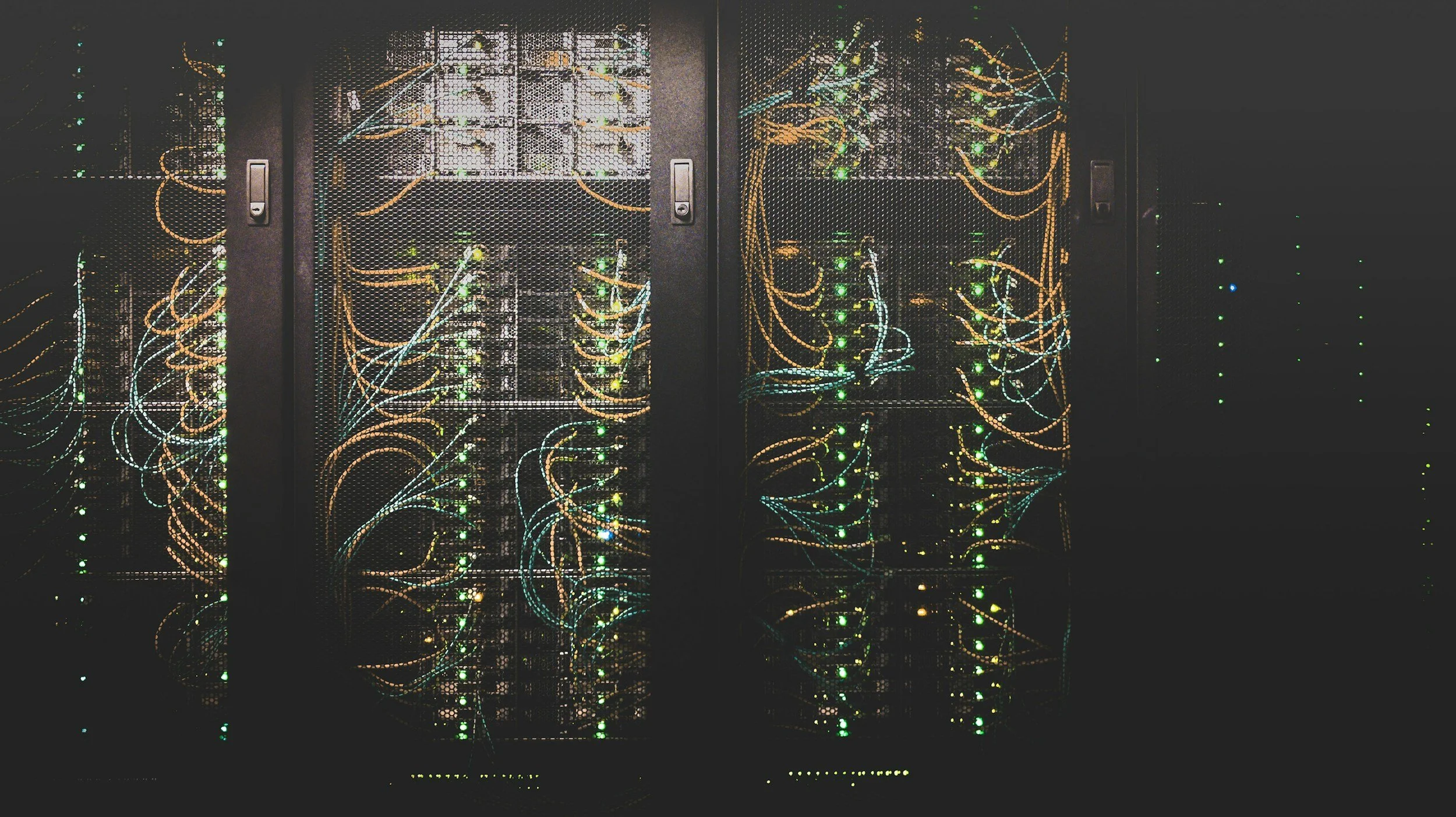
This week I got an email from a friend in New Mexico expressing solidarity with those of us in Michigan opposing massive data centers. The note highlighted the work of Concerned Citizens for Nuclear Safety, who have opposed the expansion of nuclear weapons for nearly 40 years. They have been at the forefront of groups identifying the link between the expansion of data centers and nuclear weapons. CCNS highlighted the efforts of people in Ypsilanti Township to stop the University of Michigan partnership with Los Alamos National Laboratory (LANL) in the construction of a massive data center.

Excerpts from Home Economics
“The small family farm is one of the last places—where men and women (and girls and boys, too) can answer that call to be an artist, to learn to give love to the work of their hands. It is one of the last places where the maker—and some farmers still do talk about “making the crops” — is responsible, from start to finish, for the thing made.

Strengthening public comments
This week, Detroiters organized to block an effort by the Board of Police Commissioners to eliminate public comments via Zoom. The motion to restrict virtual comments provoked a firestorm of resistance. A petition against the motion was circulating online, public letters had been written by advocacy groups, people called and emailed commissioners, and over 40 people signed up for public comments.

Rebranding efforts
The forces behind the rapid expansion of massive data centers have launched a public relations campaign to undermine widespread and growing opposition. The extent of the resistance to data centers is unprecedented. Stories of people reaching across differences to join in opposition are widespread.
Beyond Trump
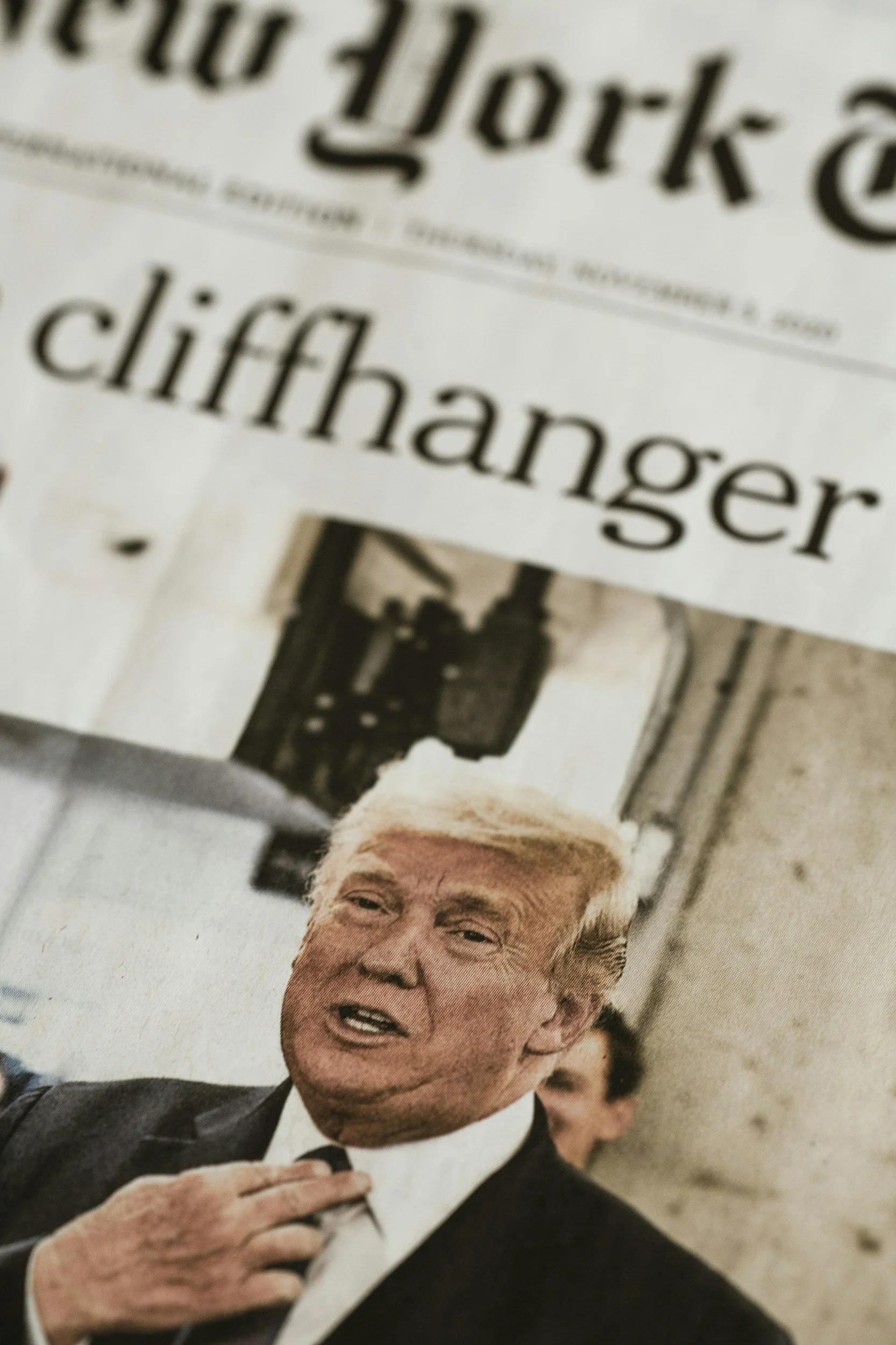
As the votes in primaries across the country were counted, Donald Trump appears to be one of the losers. Many political observers are taking note that a Trump endorsement did not mean an automatic victory. And some republicans even shied away from his stamp of approval.

Patterns of deception
The United States has been attacking Iran for almost six months. These attacks are unjustified and violate all standards of decency. They are the consequences of men in authority who think that violence brings strength. Increasingly, these men are learning that physical force is limited.

Connected consequences
In a country unable to find agreement on almost anything, the efforts to stop Data Centers have emerged as a unifying symbol. Especially in small towns and rural communities, people are finding ways to work together to protect their homes and families from massive developments. Neighbors are exchanging ideas about rising electric bills, loss of wetlands, and methods of influencing public officials. They are helping each other frame issues in ways that matter to people and encourage them to think about our connections and collective responsibilities to each other and to the future.

What’s done
More than sixty years ago I walked on to the campus of Marietta College. Many of my days there were spent along the rivers or in walking among the ancient burial mounds holding the remains of the peoples who lived on the land more than 2000 years ago. It is a place of old and sometimes wild beauty. Marietta sits at the confluence of the Muskingum and Ohio Rivers, one of the largest watersheds in Ohio, covering more than 8,000 square miles, providing water for cities, small towns, farms, and forests.

Too much to handle
This week we have been given ample reason to question continued funding of the US military. In a Senate hearing requesting an additional $87.6 billion in supplemental funds, $67 billion of which is for the war on Iran, Secretary of Defense Pete Hegseth revealed that the cost of the war on Iran thus far has been $37.5 billion in military spending. This calculation does not include the toll on human life, on the people of Iran, on the people around the globe struggling with the inevitable effects of restrictions on oil and petroleum-related products, or on the distortions of life created by a war that has no purpose but to kill.
Air and water
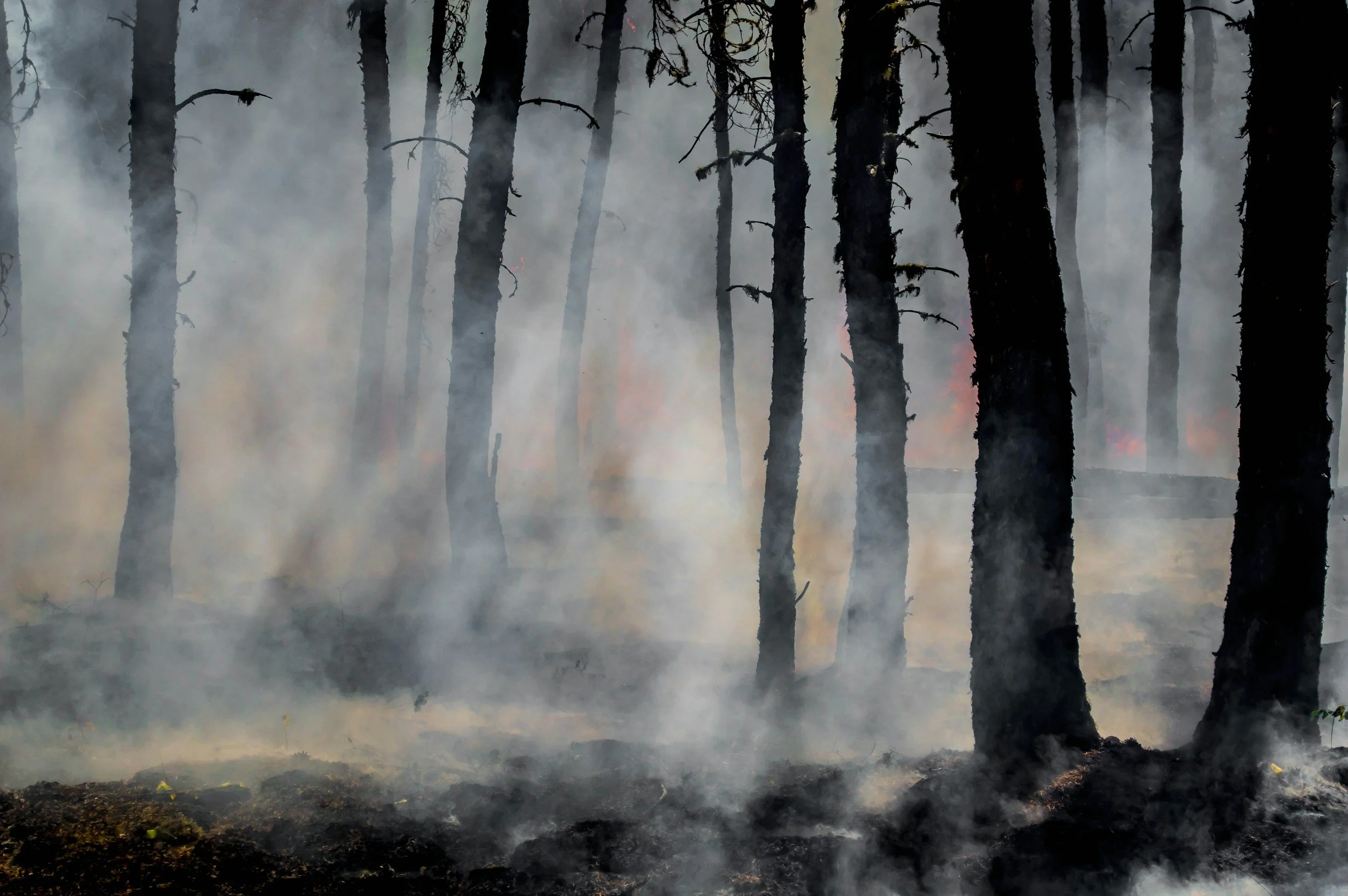
Much of the country has been suffering from the smoke of wildfires raging in Canada. Detroit, along with Chicago, New York, Toronto and other Great Lakes cities, is recording some of the worst air pollution in the world, with an Air Quality Index hitting 800.

Summer storms
This year, marking the 250th anniversary of the United States, many people planned gatherings to think about our collective past and our possible futures. For many of us, the Fourth of July holiday marks the beginning of summertime. Family reunions, fireworks, friends, and space to enjoy the world.

Sound thinking
After a contentious meeting offering more than two hours of public testimony the Detroit City Council voted 5-4 to extend the ShotSpotter contract for 9 months. The decision will cost the city and additional $2.1 million dollars and brings the total cost of ShotSpotter to $10.56 million.

Freedom festival
The Detroit Fireworks display is a highlight of the city, marking the beginning of summer. Families and friends gather at the river’s edge to watch what is often billed as the world’s largest fireworks display. Most summers, more than a million people gather to enjoy Hart Plaza and neighborhood parks. The fireworks are an international celebration of freedom, honoring the independence days of both the United States and Canada from colonial rule.

Illegal acts
Fascism comes in many guises. Brown shirts, storm troopers, hooded men with guns, and gangs of bullies with torches are all well-known, recognizable images. These are superficial expressions of efforts to dominate and control the lives of people. These forces are made possible by a complex network of laws, actions, and attitudes fostered by those seeking authoritarian control.

Defending students
In the early hours of June 10th, federal agents arrested seven young people connected with efforts to force the University of Michigan to divest from the Israeli government in the wake of the war on Gaza. With SWAT team armament, the Department of Justice roused college students, handcuffed them, and put them in armored cars because of their alleged actions during the 2023 - 2025 protests against the US support for Israel. Eight young people, one of whom is out of the country, are charged with conspiring to orchestrate a campaign of intimidation and terror targeting homes, businesses, organizations, and individuals.
Evolving democracy
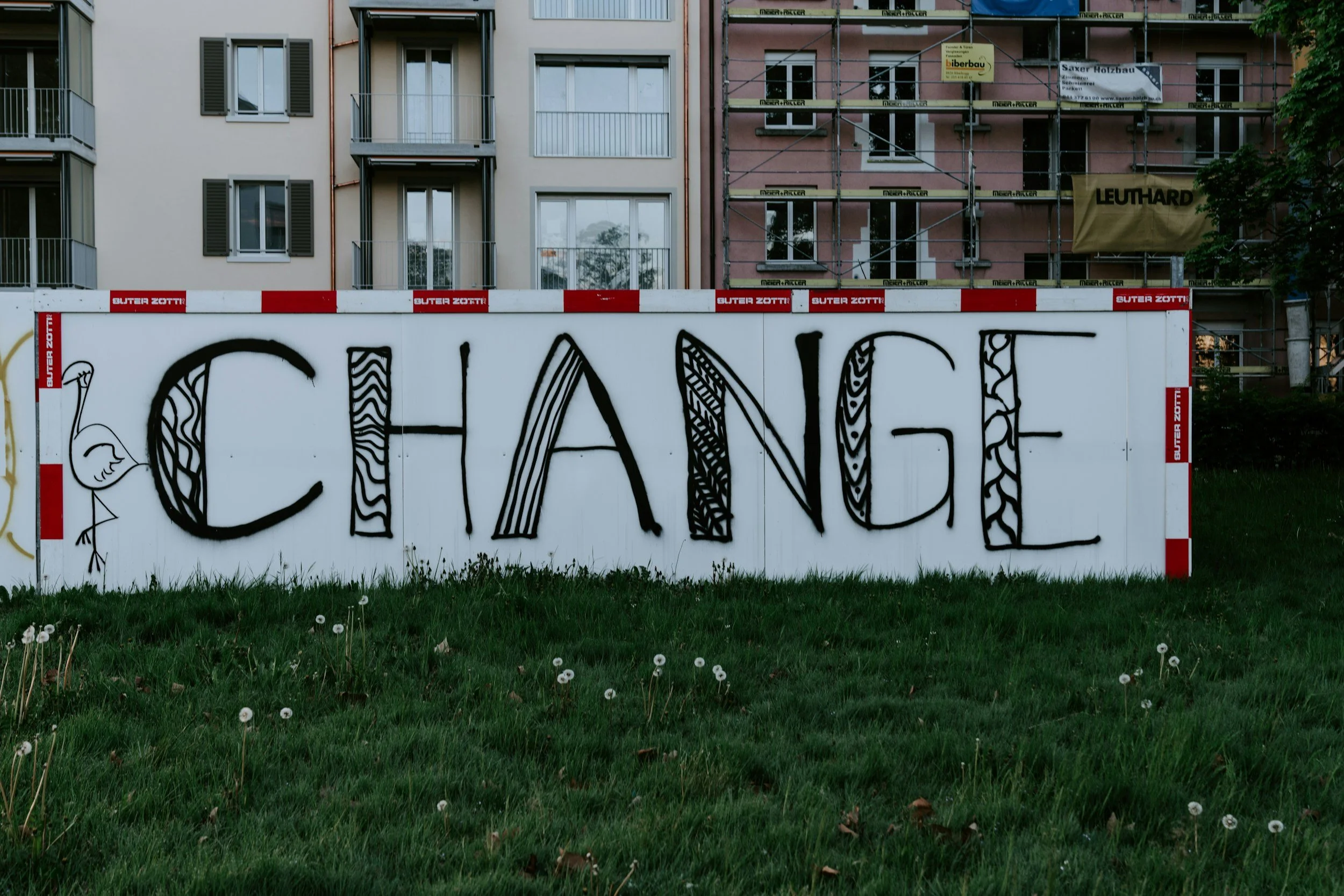
Representative democracy in the USA has been in trouble for a long time. Since the beginnings of the nation 250 years ago, wealth, racial hatred, and private interests have dominated its development.
It has taken massive movements of people over extended periods of time to expand the ideas of whose lives matter, whose voices count, and whose interests should be protected.
Lessons on humanity
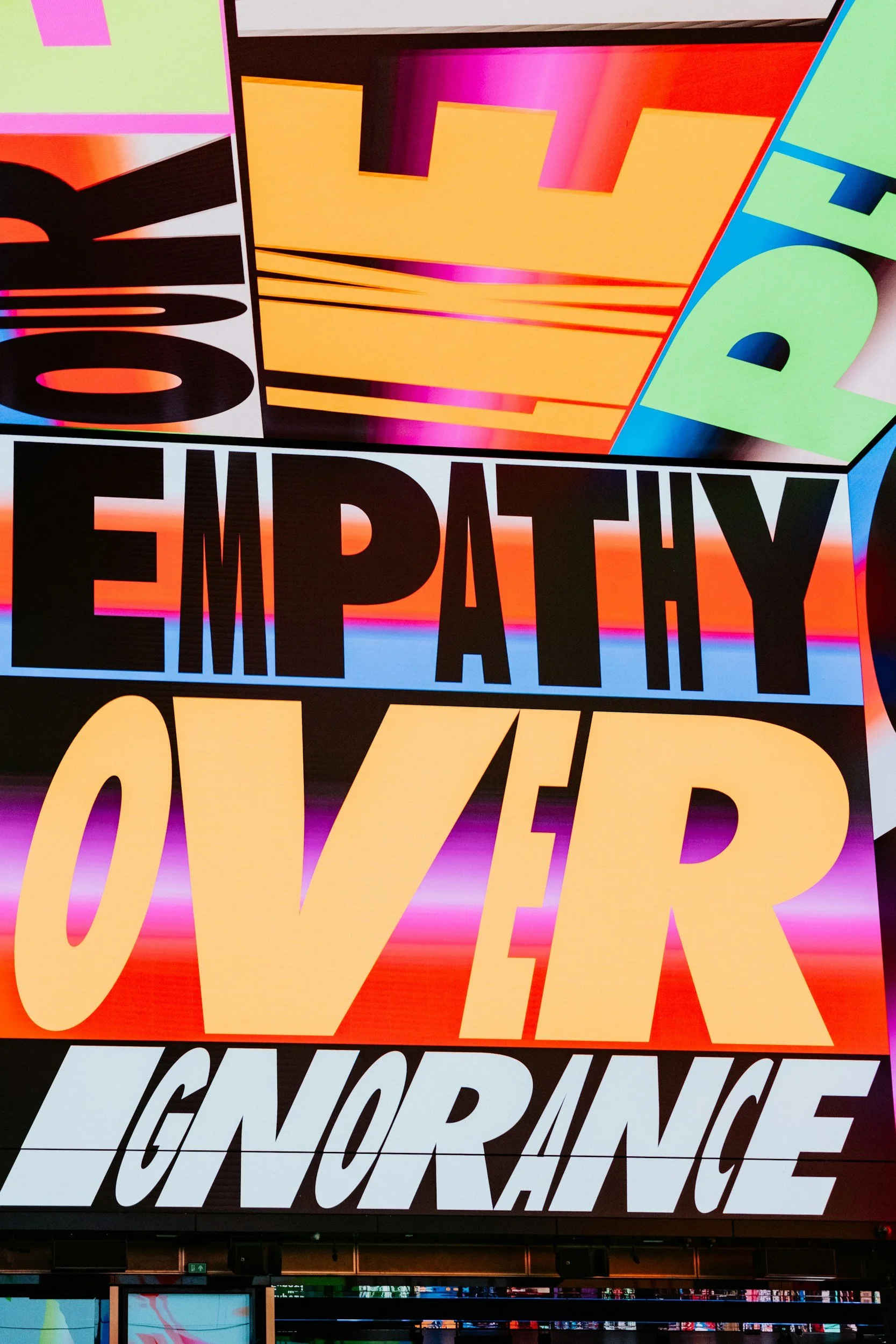
This week, Pope Leo XIV released his first encyclical, Magnifica Humanitas (Magnificent Humanity). Its subtitle, “On Safeguarding the human person in the time of artificial intelligence,” offers a good summation of the doctrine’s focus. Some doubt that the massive work will have much impact on our futures. But anyone serious about creating a world of justice, peace, and love should carefully study this document.

Global Water Bankruptcy
In March of 2013, a declaration of financial emergency was made, and Michigan Governor Rick Snyder appointed Emergency Manager Keven Orr to manage the books in Detroit. Orr’s appointment made him the most powerful person in the city. Elected officials had no say, the voters had no say, and we were all rendered powerless. In July of the same year, Detroit filed for Chapter 9 bankruptcy. Our biggest asset is our water department, so it became the bargaining tool to get us out of debt. By 2014, masses of people, hundreds of thousands of homes, were slated to get their water shut off.
Data center #4
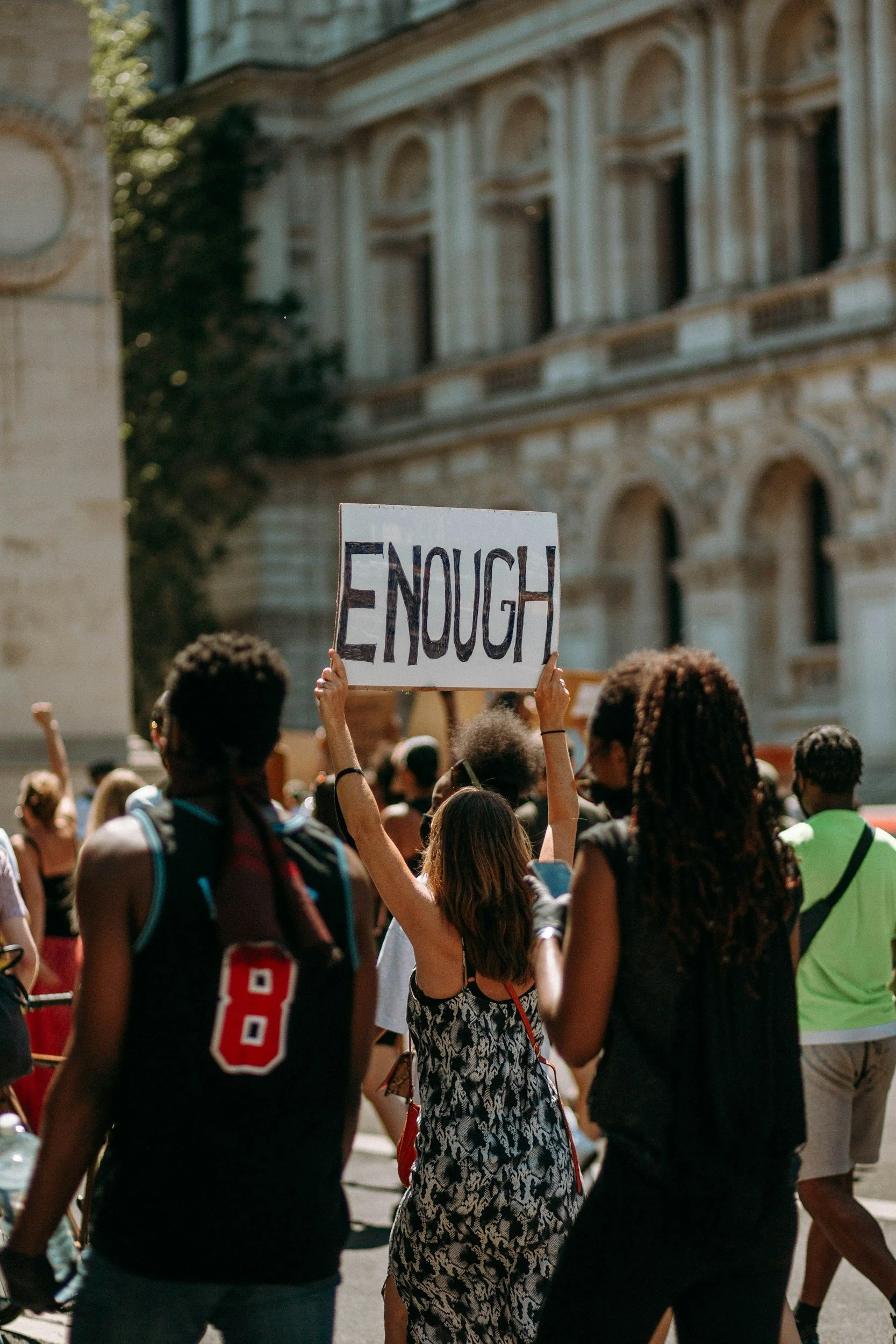
This week the news for billionaire backers of mega data centers got worse. Although the county commissioners for Box Elder, Utah approved the construction of a project over the objections of thousands of local residents, there are no signs that the opposition is going away. And this mega center, like most others around the country is going nowhere fast.

Data centers #3
Data Centers and Artificial Intelligence are changing the essence of warfare. Detroit is being positioned by corporate interests as central in the development of AI-generated weaponry.